Thank you for visiting our site from DaveTCC
We’ve written a number of high quality libraries that work on an unprecedented number of boards, including Arduino, mbed, PicoSDK, STM32Cube, ESP-IDF and Raspberry PI. These libraries and frameworks are battle tested, having been used in literally thousands of live designs. Take a look at the “Products” section. See our production ready open-source libraries.
Not everyone wants to build commercial products on top of Arduino, with PicoSDK, STM32Cube and ESP32-IDF available you have the choice. You could start with Arduino for convenience then later move to a native platform.
We are audiophiles and as such like both listening to music and building audio equipment. TcMenu’s first use-case was an audio amplifier, and you’ll see many of the examples still show that. But rest assured, it has been used for many other purposes from Agriculture, Home automation, Model trains, Live audio control, Lighting control to name a few.
Recently added..
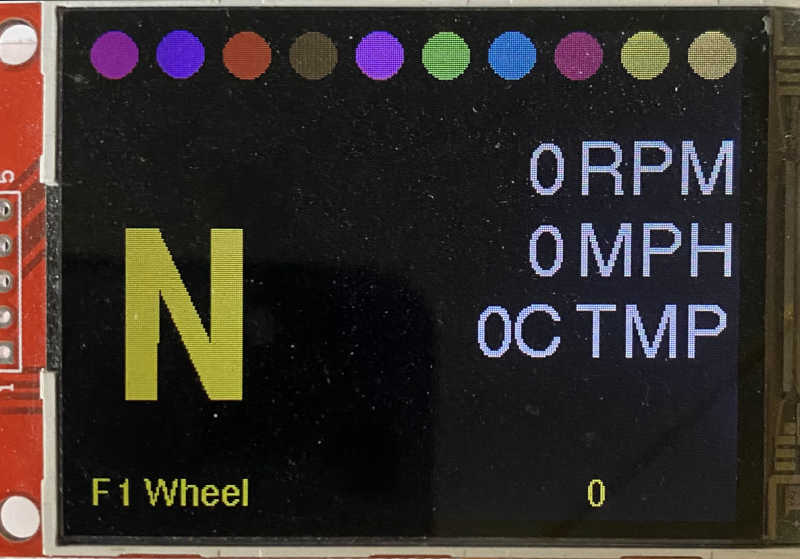
Our extensions to Adafruit_GFX for better performance
We provide a few extensions to Adafruit_GFX that improve performance by buffering the display and therefore preventing flickering and repeated operations on the same display area. Canvas support In addition to the standard Adafruit_GFX library that provides a monochrome canvas, we provide a 2bpp (bit per pixel) and 4bpp canvas class that allows you to draw to a buffer in memory...
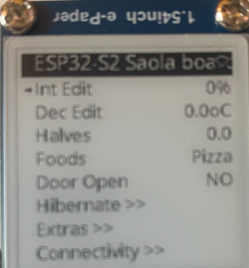
GxEPD2 eInk display plugin for tcMenu
In this guide we discuss the GxEPD2 eInk display plugin for tcMenu, showing how to use and configure it for menu use. From an API/interface perspective, GxEPD2 is roughly equivalent to Adafruit_GFX, but with some additional features and optimizations for eInk displays. You'll need to install the GxEPD2 library from the Arduino library manager before you can use it with tcMenu....
Using menu designer to fully manage your menu structure
This is the traditional way of using tcMenu, where you allow the menu designer to manage your menu structure and round-trip every time new menu items were added. This means that you had to run through designer every time you added a new menu item, which divided opinion, some liked it; others thought that it was a painful process. With the...